

To add to the confusion about what different therapists do – chiropractor, physiotherapist, osteopath, acupuncturist… – and who to see for what condition, is the common occurrence that people often get better whoever they opt to see. It used to puzzle me how this could be, but understanding the many different effects of treatment: […]
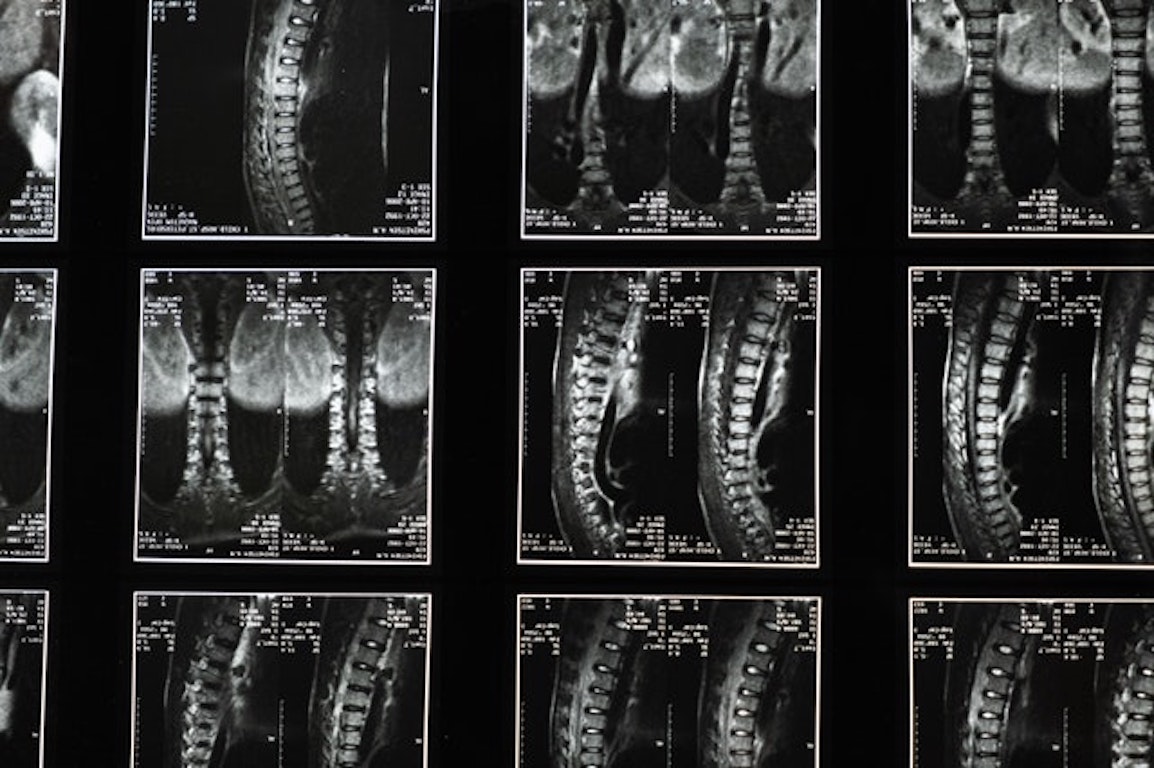
I was listening to the “Empowered by Pain” podcast this week, the topic of which was “Ten Scientific Facts About Low Back Pain” and thought I’d share it as there are so many useful messages in it for patients – whether your particular issue is low back pain or not.
The podcast is conducted by a group of physiotherapists and researchers at the forefront of research on the biopsychosocial approach to treating neuro-musculoskeletal pain. The biopsychosocial model acknowledges that pain – in the absence of serious pathology – is multifactorial and can be caused by factors such as stress, fatigue, low mood, inactivity, unaccustomed activity, and many more factors.
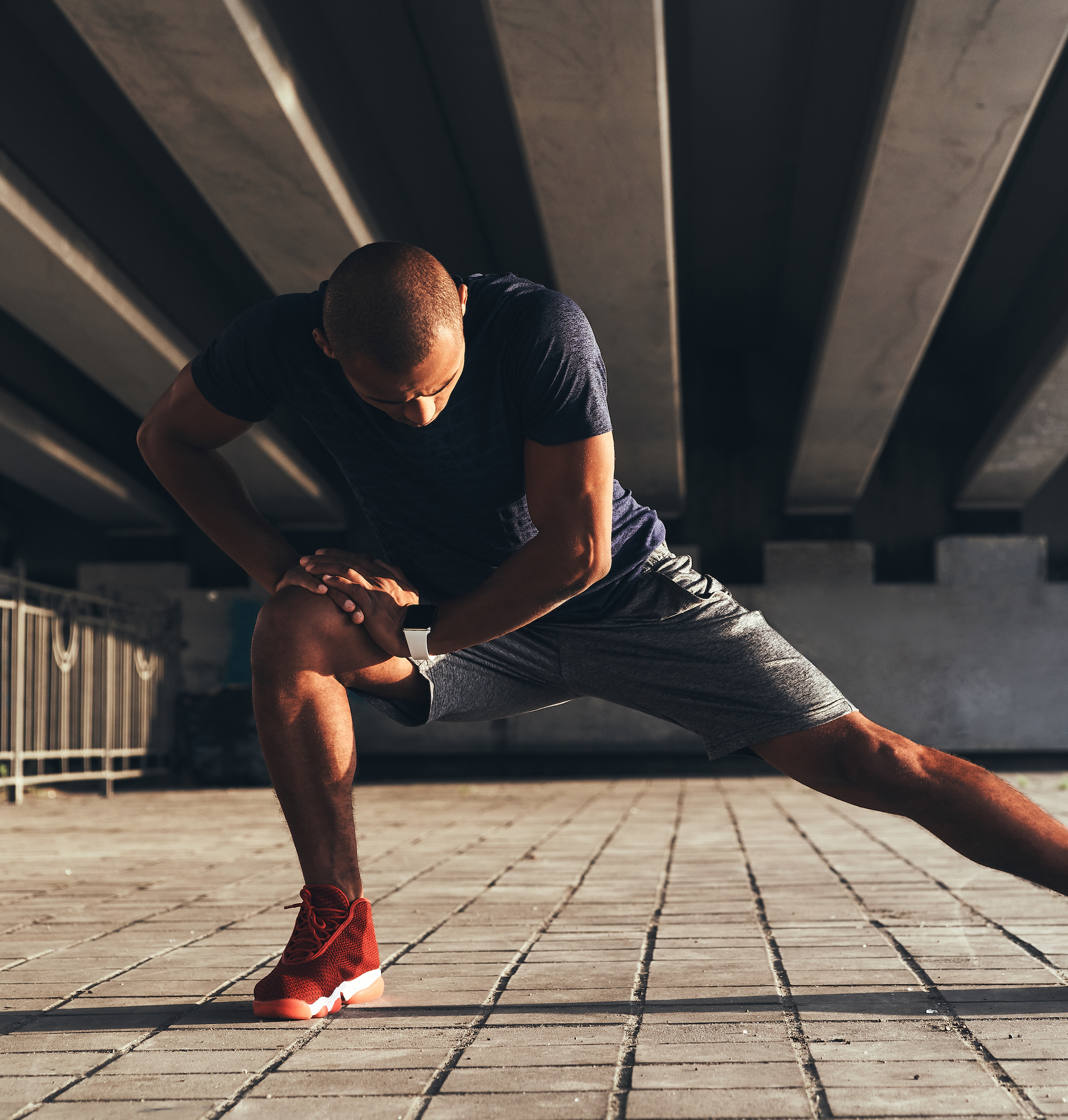
There’s no question that stretching feels good – at least after we’ve done it. But why is that; what has actually changed? And will stretching have a lasting effect on how flexible we are? Short-term (immediate) increases in flexibility are probably due to viscoelastic changes in the muscle, or put more simply, a change in […]
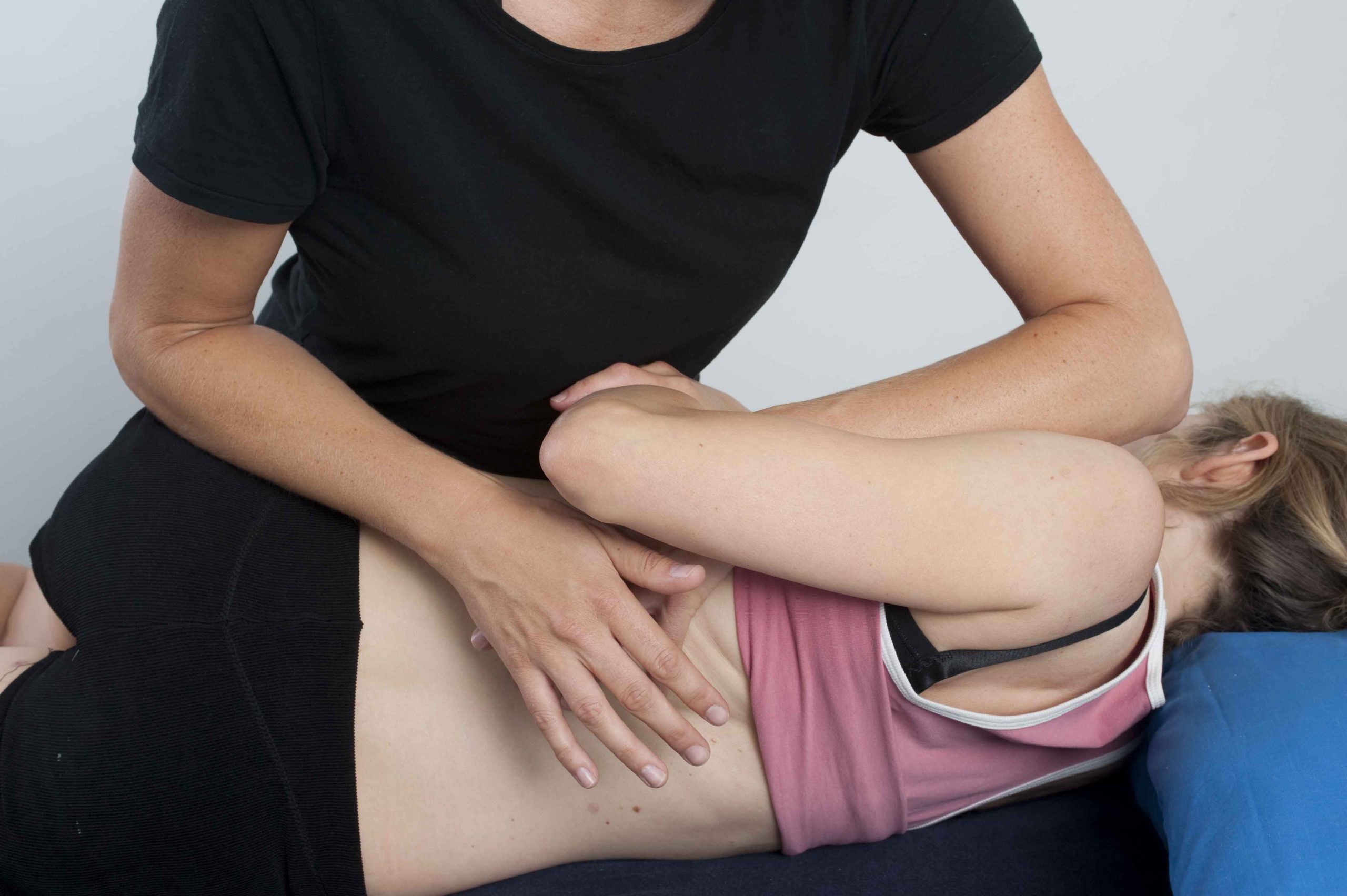
What does clicking your back do, and how helpful is it?
As usual there is no simple answer to this question, and having taken a fresh look at the research relating to the effects of High Velocity Thrust (HVT) I am left scratching my head as to how to make sense of it and relate it to the lay person.
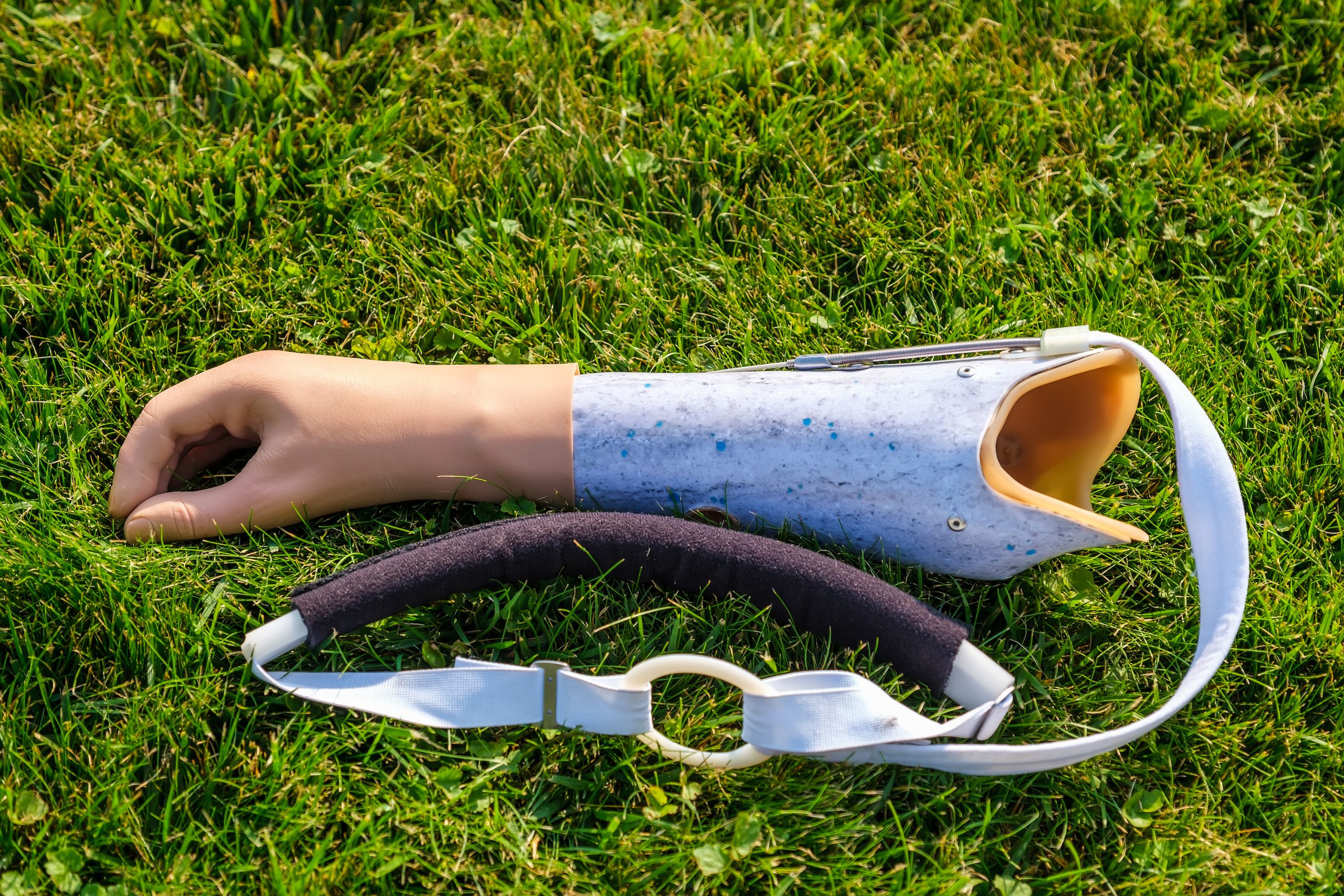
In the rubber hand illusion individuals have a rubber hand placed before them on a table while their real hand is placed out of sight on the other side of a screen. A researcher then strokes the fingers of the rubber and real hand simultaneously for a couple of minutes until the individual starts to feel sensation in the rubber hand and that the rubber hand placed in front of them belongs to them. This is put to the test by the researcher delivering a pin prick or blow to the rubber hand at which point the individual flinches and retracts their real hand evasively. You can watch it on a clip from a recent episode of Horizon here.
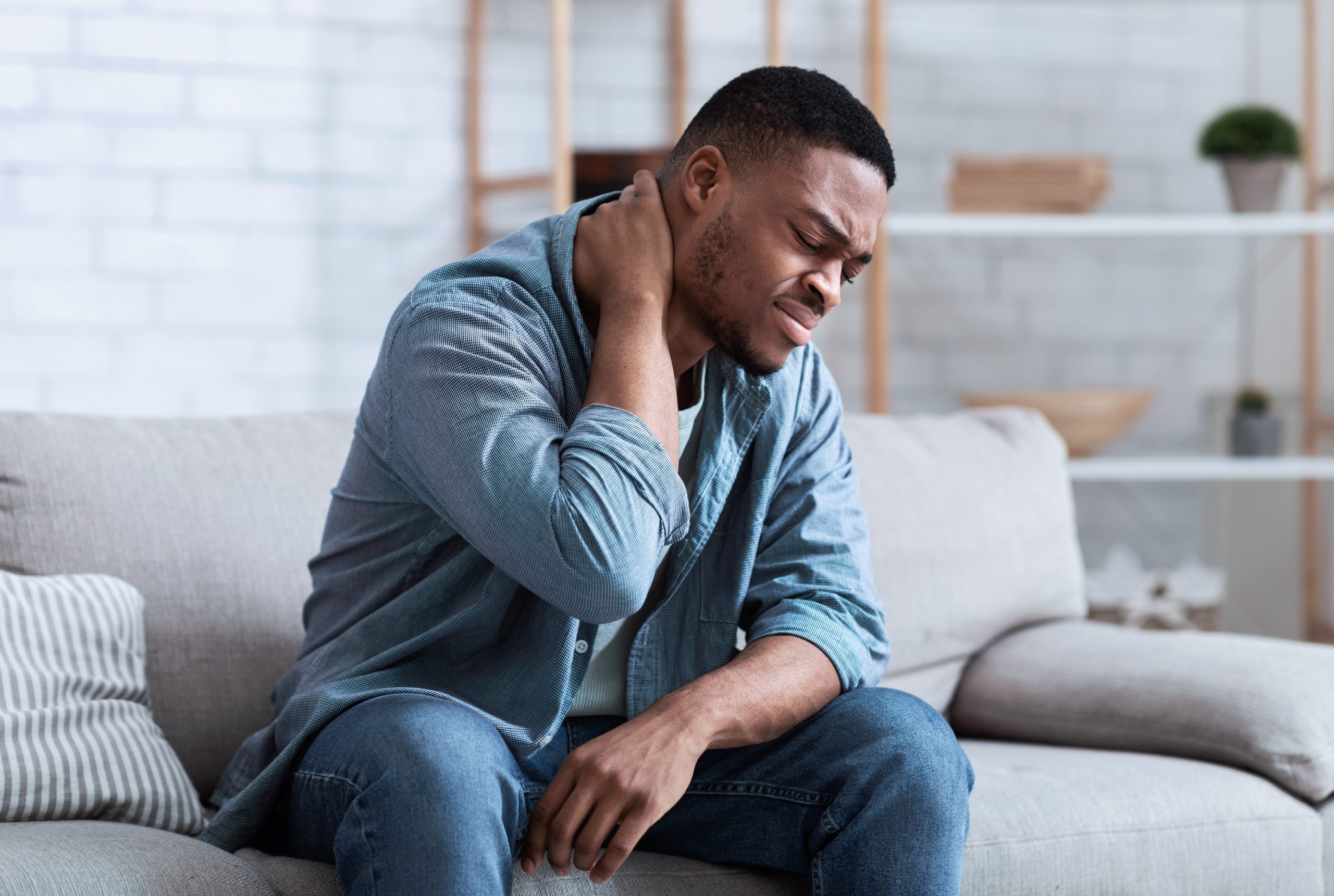
In part I of this post I talked about how a recent research paper suggested that persistent muscle stiffness – like persistent pain – could be due to a perceptual error: the nervous system has become oversensitive – the threat of damage has passed but it is still on high alert, and therefore we perceive pain or stiffness.
To be clear, we are not talking about stiffness that is there for a reason – disc prolapse, muscle sprain or tendon overload – but persistent stiffness or pain that has exceeded its need in terms of any potential or real damage. I’m going to use pain and stiffness interchangeably, because the same applies to both of them.
Muscle stiffness is a common complaint of patients presenting to my clinic. Common questions are “why do I feel so stiff?”; “why do my muscles feel so tight?”; “why do I have knots?” In the most straightforward of cases, patients will report that their stiffness relates to a certain posture, position, or movement, and when I assess them I will find a palpable tightness and an associated limitation of movement in a related part that is suggestive of the muscles in question being overloaded.
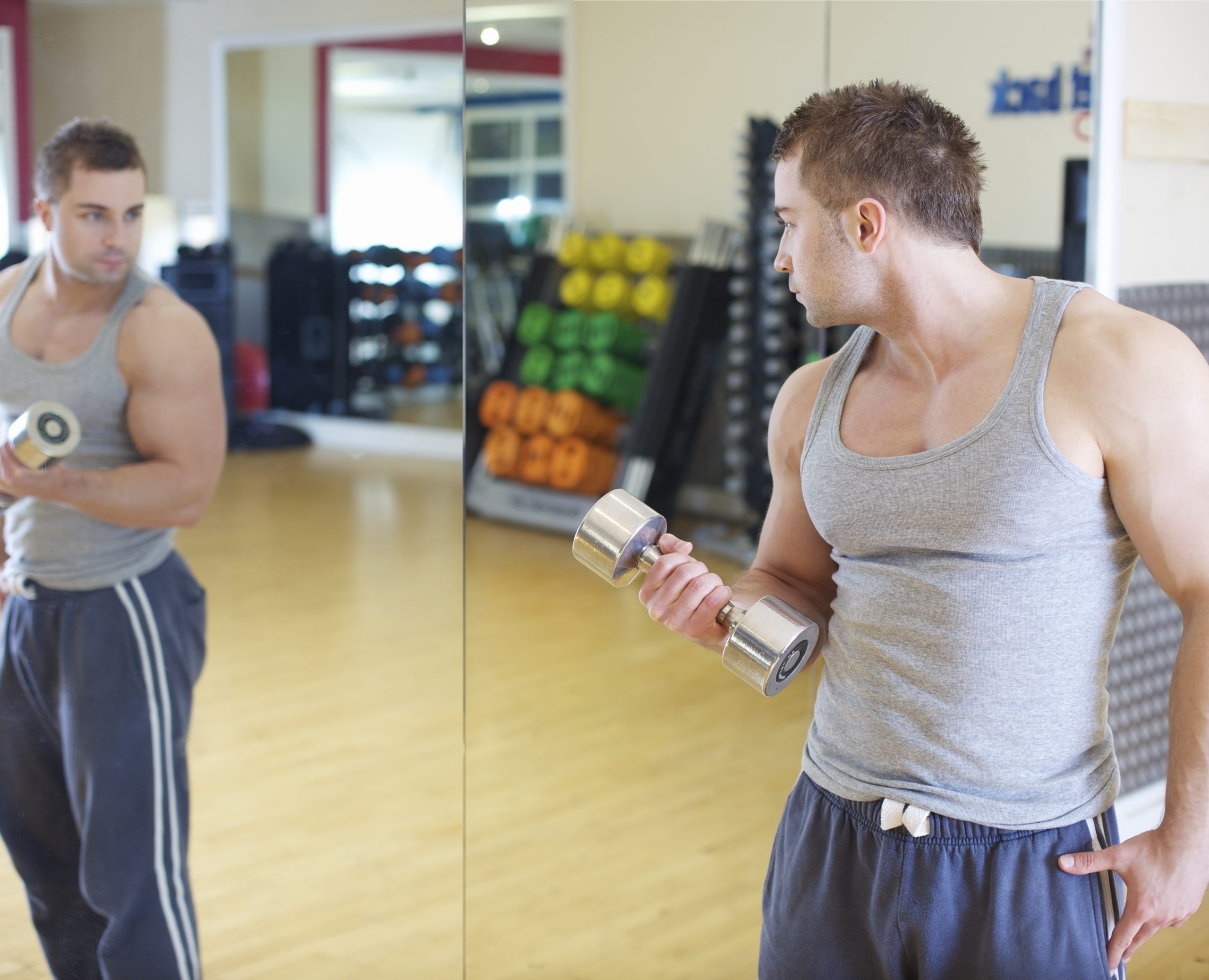
Flexing in front of the mirror actually makes your biceps bigger!!! Well maybe. A study just out showed that focusing on the targeted muscle/movement during weight-training (watching oneself in the mirror might fall into that category) increased arm circumference by 12.6% (internal focus) compared to a group who focused on the outcome/weight itself/ or action (external focus) – 6% increase.
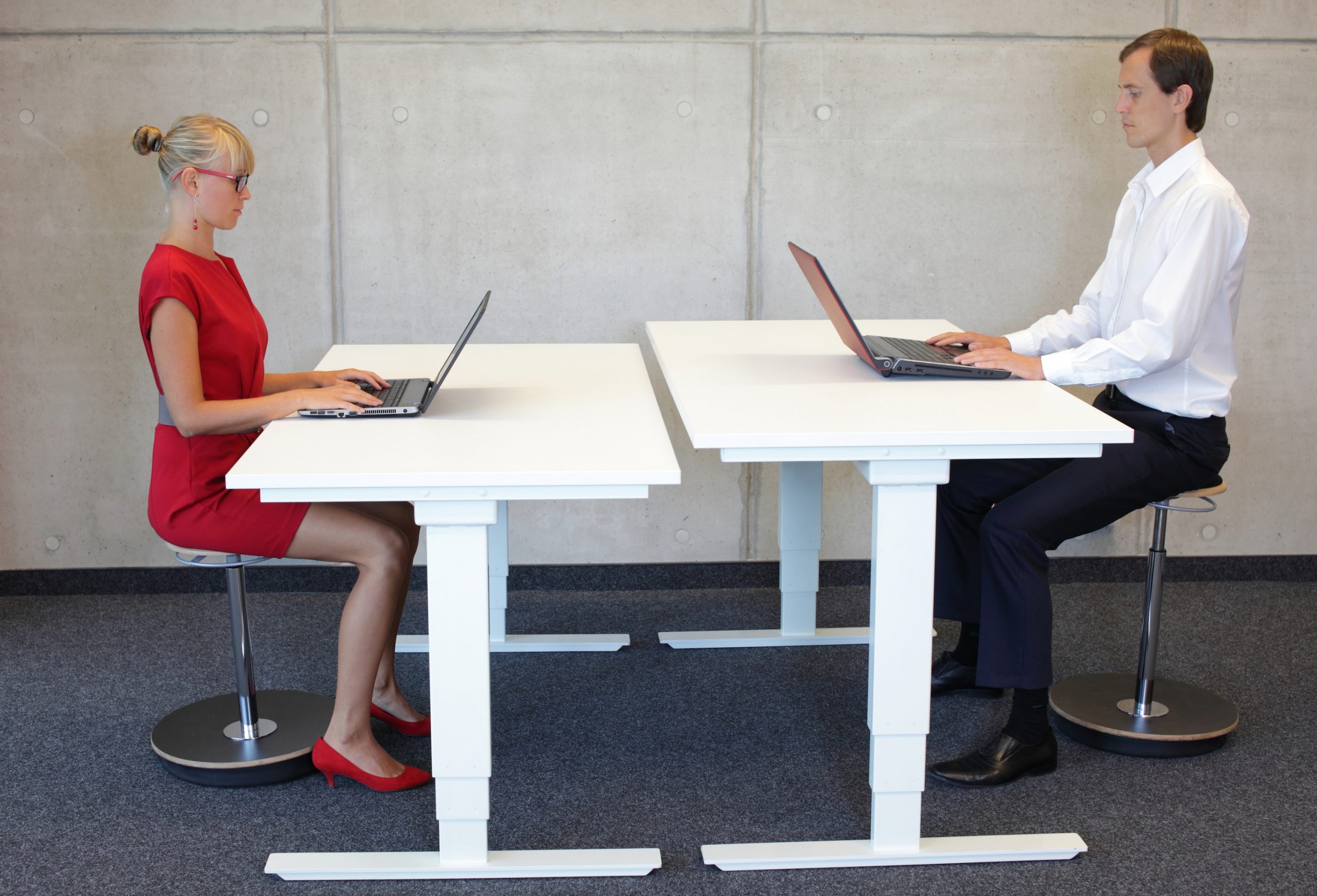
That’s the Guardian’s (5/3/18) headline – not mine – for an article in which two well regarded physical therapists and researchers explain why it doesn’t matter how we sit, or what posture we assume because there is no evidence to support an association between sitting and back or neck pain.