


Most of us are aware that sitting for long periods has serious consequences for our health, leaving us at higher risk of diabetes, heart disease, and, of course, back, neck, and shoulder pain.
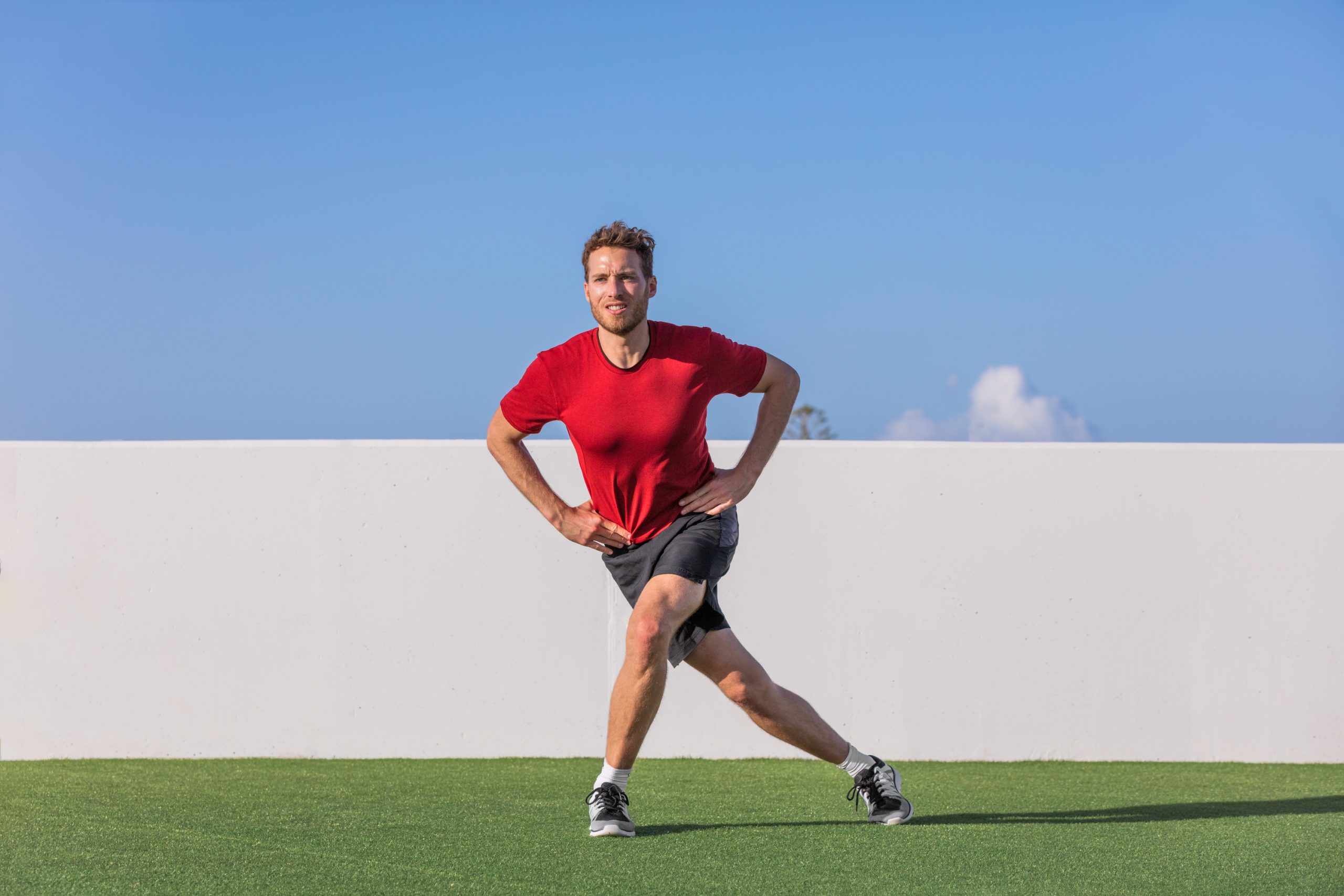
I hope you have all had a good summer, and feel fresh and raring to go as we enter the autumn months.
If, like me, you are getting back to your workouts after a break in routine, then you might consider how to prevent a muscle strain occurring. The subject of the following podcast by the Gray Institute relates to hamstring injuries, but the same really goes for all muscles in the body.
In this video clip I make use of a chair and doorway to help achieve some really effective stretching. The doorpost affords increased stability and therefore makes stretching in all three planes of motion easier, whilst enabling us to get deep into the stretch. You’ll need to put a non-slip mat under the chair if your floors are slippery like mine!
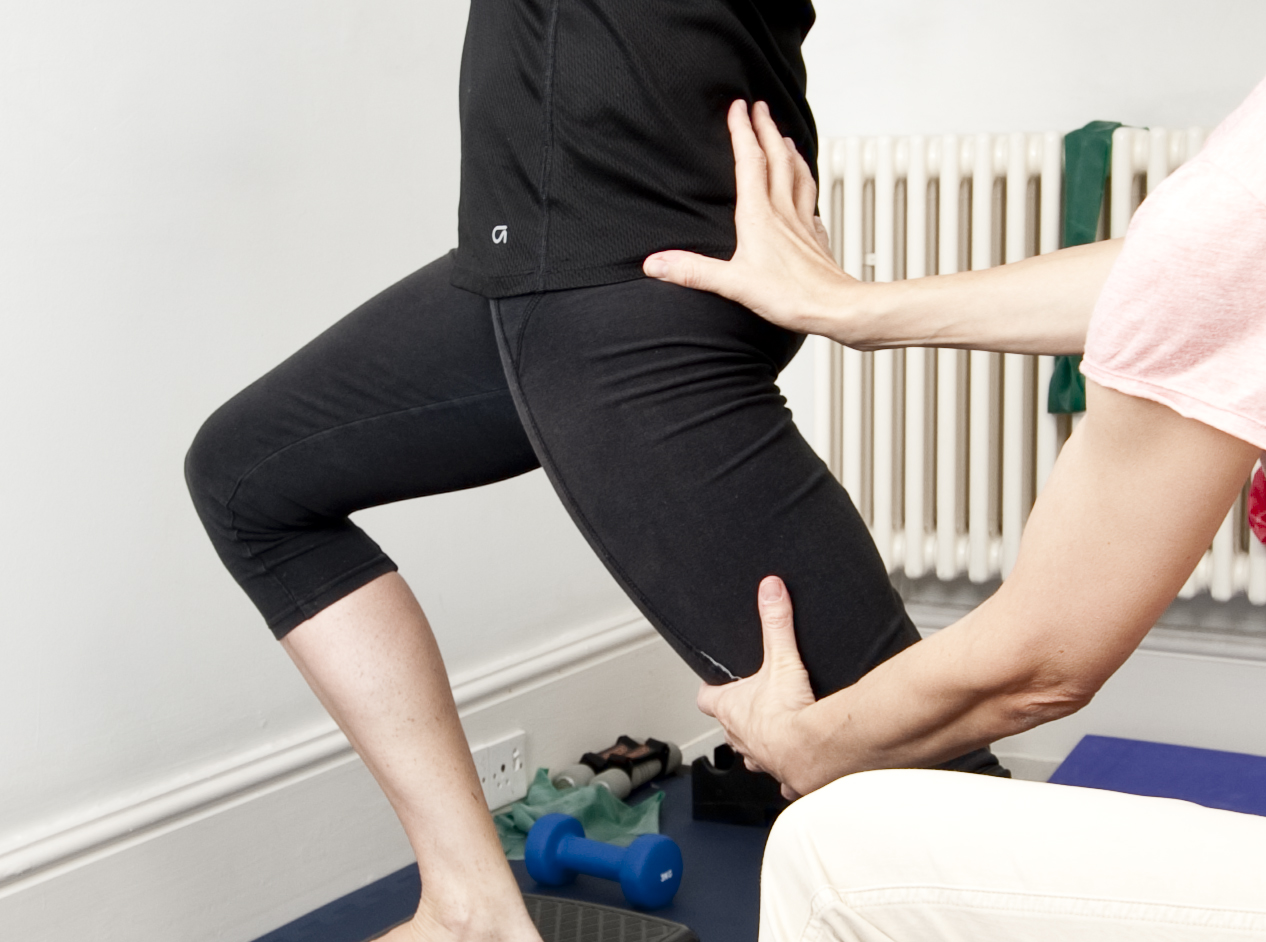
In this short video clip I give one example of why hip extension is important in maintaining a healthy low back, and demonstrate a stretch that improves hip extension while avoiding irritating the joints of the low back.
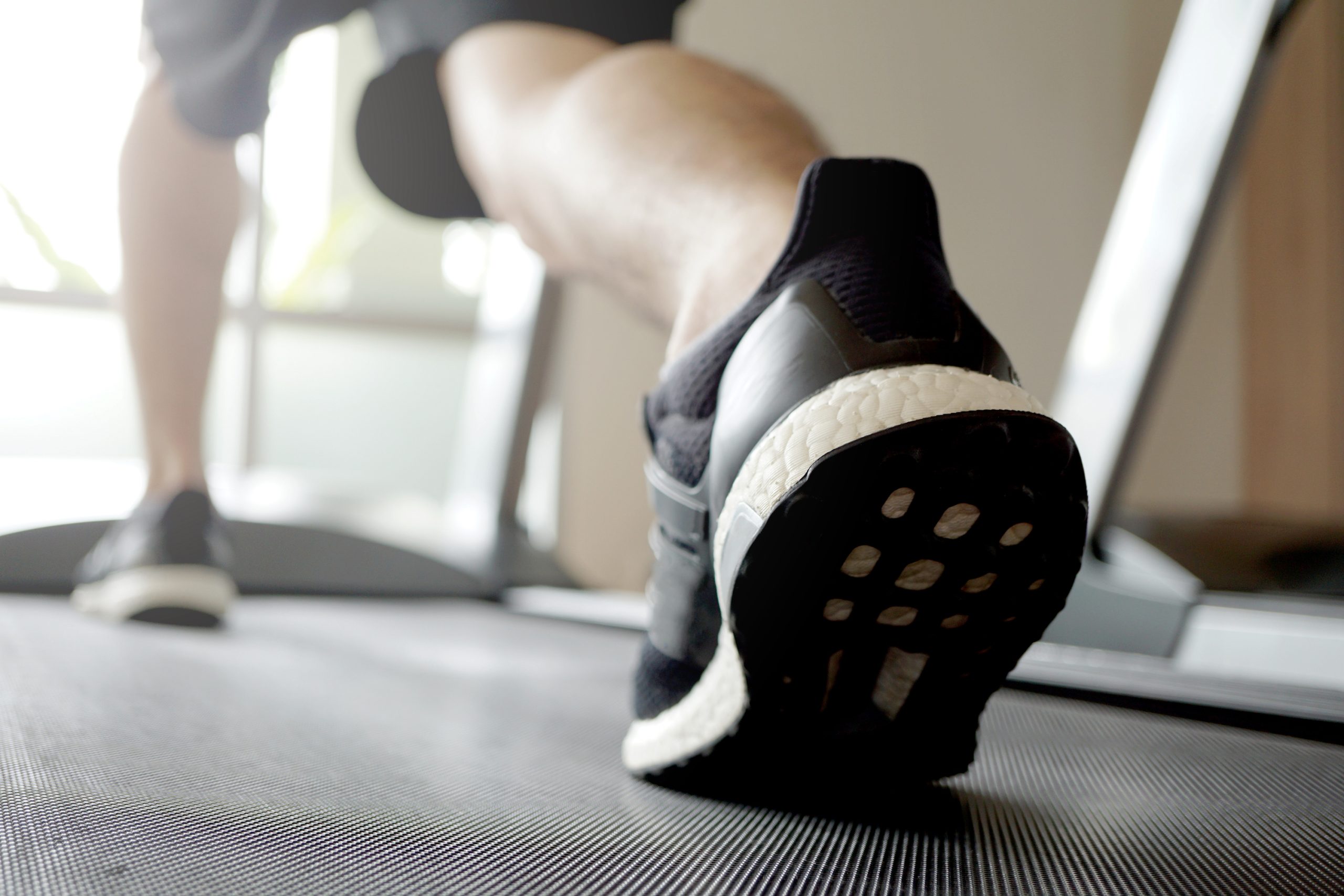
In the last post I explained how tight calf muscle, or reduced ankle dorsiflexion, can cause problems elsewhere in the body. Here I show you how you can stretch your calf in all three planes of motion, which is necessary because it controls motion in three planes of motion.

If you’ve ever wondered why we’re interested in your feet and ankles when you come to us with low back pain then here’s just one explanation.
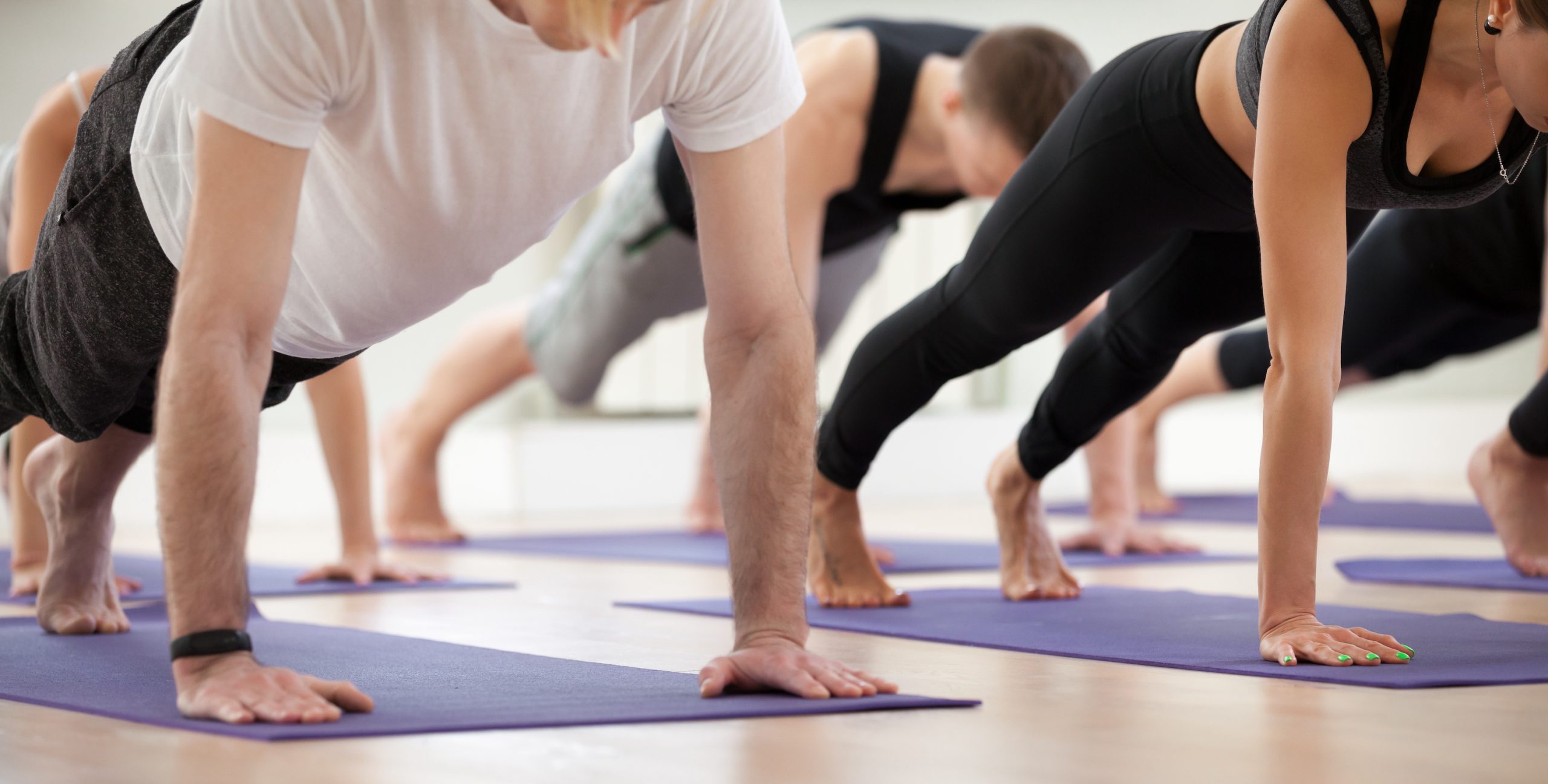
If you are entering the new year with a renewed sense of commitment to improving your level of fitness then it is worth giving some consideration to just how good your balance and stability are. Balance and stability are not only as important to optimal function as are strength, flexibility, and cardiovascular fitness, but they also enhance these other abilities.
Balance and stability allow us to perform movements with control. Good control means that we time and sequence movements throughout the body precisely, resulting in powerful, efficient, and accurate motion, which makes us less prone to injury and enhances performance, be it of daily or sporting activities.

As promised in our last newsletter, here are some exercises for the mid and upper back (thoracic spine) that will benefit – along with almost everywhere else! – your low back.

The causes of low back pain are many and varied – in short, the biomechanical interactions between different parts of the body are complex – but often, the hips below and/or the thoracic spine above (mid- upper back) are found to be implicated in some way.
The lumbar spine is designed to be a transmitter of rotational (twisting) forces from the lower to upper body, and vice versa: it is not designed to absorb rotational forces.