Foot pain treatment for people in Kensal Green, Kensal Rise, Willesden Queens Park and Harlesden

The Foot
Bunions (Hallux Valgus)
A bunion (hallux valgus) develops when the big toe gradually drifts towards the second toe, creating a prominent bump on the inside of the foot. This change usually occurs over many years and may cause pain, stiffness, swelling and difficulty wearing certain shoes.
Although bunions cannot usually be reversed without surgery, treatment can often reduce pain, improve foot function and slow progression. Improving the mobility of the big toe, maintaining strength in the foot and lower leg, and addressing factors that increase stress through the foot can all help.
Where appropriate, exercises, footwear advice and temporary insoles or wedges may be recommended to improve comfort and reduce excessive loading.
Plantar Heel Pain (Plantar Fasciopathy)
The plantar fascia is a strong band of connective tissue that runs along the sole of the foot from the heel to the toes. It acts like a spring during walking and running, storing and releasing energy with every step.
Pain develops when the loads placed on the plantar fascia exceed its ability to tolerate them. Reduced flexibility through the calf and ankle, stiffness of the big toe, weakness of the foot and lower leg muscles, previous ankle injuries and changes in activity levels can all contribute.
Treatment aims to reduce irritation of the plantar fascia whilst improving the foot’s ability to tolerate load. This typically includes hands-on treatment where appropriate, together with a progressive programme of exercises to improve strength, flexibility and balance. Advice on footwear, activity modification and, when indicated, temporary insoles or heel wedges may also help relieve symptoms and support recovery.
How can osteopathy help?
Treatment begins with a detailed assessment to establish why your foot has become painful. As well as examining the foot itself, I assess how your ankle, knee, hip and pelvis are functioning, together with your walking or running pattern, to identify factors that may be placing excessive stress on the foot.
Hands-on osteopathic treatment can help improve joint mobility, reduce muscle tension, relieve pain and restore normal movement in the foot and ankle. Where appropriate, treatment also addresses restrictions higher up the body that may be affecting the way your foot loads during everyday activities.
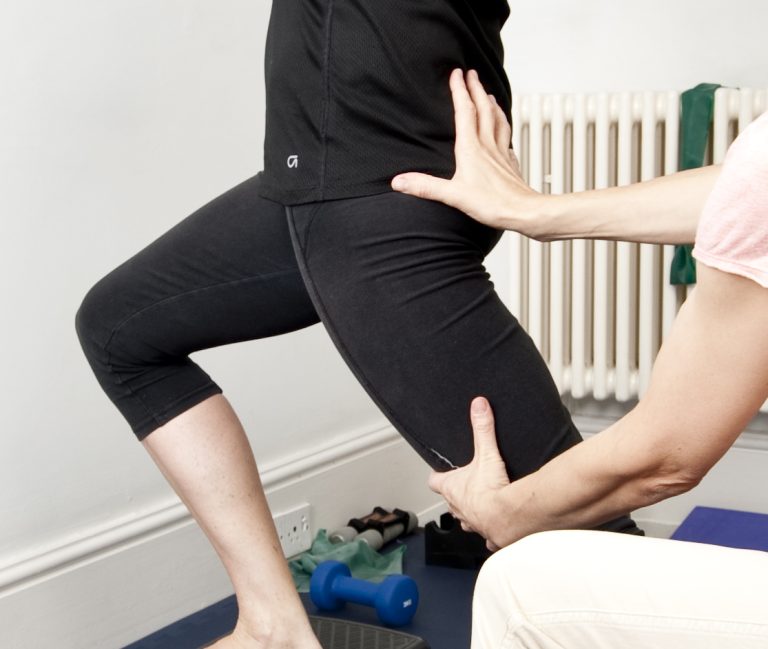
Exercise rehabilitation forms a key part of treatment. You will be given an individualised programme to improve foot and ankle strength, flexibility, balance and control, helping the foot become more resilient and reducing the likelihood of symptoms returning. Exercises are practised during your appointment, and video demonstrations are provided for reference at home.
Advice on footwear, activity levels and training will be tailored to your condition. Where appropriate, gait analysis may be used to identify abnormal loading patterns, and temporary wedges, insoles or orthotic supports may be recommended to reduce stress on painful tissues while they recover.

Ready to take the next step?
If back pain is affecting your work, sleep or enjoyment of everyday life, I’d be pleased to help.
You can book an appointment here or get in touch if you’d like to discuss if osteopathy is right for you.
Read more about pain associated with specific areas of the body in the “Treatments for” section.